Psychedelics in Context | Day 2: Politics, Epistemologies and Ethics
Date and Time
Location
Psychedelics in Society & Culture
About the Event
The conference brings together leading experts from across disciplines to examine sociocultural and ethical dimensions of the rapidly evolving field of psychedelic research and medicine. While the recent FDA decision to reject MDMA-assisted therapy marks a moment of reassessment, it also underscores the need for nuanced and critical conversations about the role of psychedelics in modern healthcare, the limitations of current regulatory frameworks, and the broader systemic issues that intersect with these substances' medicalization. We aim to explore how these elements affect power dynamics, cultural ownership, and ethical considerations—fostering dialogue that transcends biomedical models to embrace more inclusive and equitable frameworks for understanding and utilizing these substances. Please join us online or virtually for what promises to be a unique and intellectually engaging event in the emerging field of psychedelic humanities.
This two-day conference is organized by the Psychedelics in Context team, supported by the Harvard Mahindra Humanities Center’s Psychedelics in Society and Culture initiative, a funding program supporting collaborations at the intersections of psychedelics and humanistic inquiry.
Coordinators: Franklin King, MD (Massachusetts General Hospital/Harvard Medical School), Christine Hauskeller, PhD (University of Exeter), Eduardo Schenberg, PhD (Instituto Phaneros), and Claudia Gertraud Schwarz, PhD
This is a two-day conference. For Day 1 details, click here.
Schedule for Wednesday, November 13
9:00am-10:30am | Presentations
Chaired by Eduardo Schenberg, PhD
Speakers:
Claudia Gertraud Schwarz, PhD. Dreamshadows of the psychedelic revival: Socio-psychedelic Imaginaries, power, politics.
Nicolas Langlitz, MD, PhD. Experiments in Medicalization: Psychedelic Therapy in Switzerland and Australia.
Maria Fernanda Gebara, PhD. Indigenous Medicines and Psychedelic Ethics: Whose Epistemes, Which Benefits?
Franklin King, MD. Psychedelic Projections: What do psychedelics really offer?
10:30am-11:00am | Coffee Break
11:00am-12:30pm | Speakers Panel and Audience Discussion
Chaired by Christine Hauskeller
About the Speakers
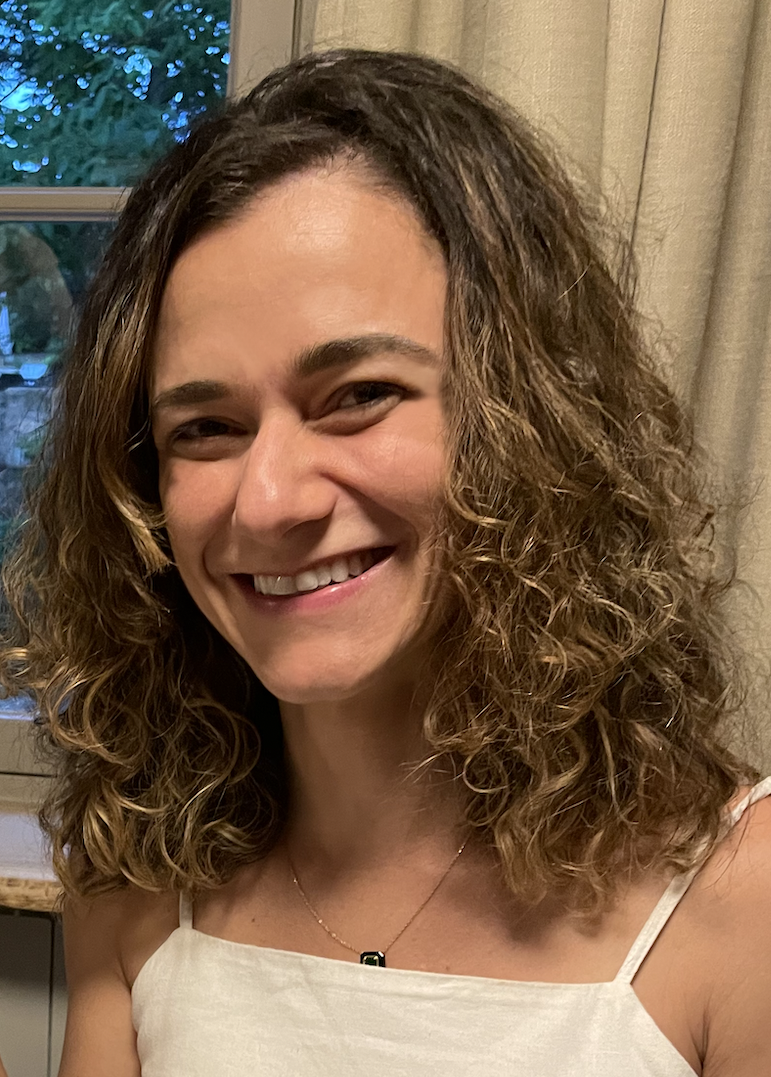
Maria Fernanda Gebara is a lawyer and cultural anthropologist with over a decade of experience working with traditional communities in the Amazon. Her research focuses on the intersection of Indigenous and scientific knowledge, particularly in preserving biodiversity, traditional practices, and cosmologies. She analyzes how Indigenous rituals and knowledge could shape Western understandings of consciousness, self, and relationality while examining the role of other-than-human beings. She collaborates with the Yorenka Tasorentsi Institute to protect Indigenous rights over traditional knowledge, medicines, and genetic resources ensuring ethical use and recognition.
Christine Hauskeller is Professor of Philosophy at the University of Exeter in the UK. She is an expert on critical, decolonial and feminist theory and studies new biomedical approaches. Recently she published Philosophy and Psychedelics. Frameworks for Exceptional Experience (Bloomsbury 2022), and, with Claudia G. Schwarz, the issue Critical Psychedelic Studies (Interdisciplinary Science Reviews, 2023). Christine co-founded the transdisciplinary research group Exeter Psychedelic Studies. She teaches, supervises and researches diverse questions regarding ethics, politics and psychedelics.
Franklin King is Director of Training and Education at the Center for Neuroscience of Psychedelics, Massachusetts General Hospital. His focuses include the implementation and innovation in psychedelic-assisted therapies and utilization of PAT for functional medical conditions. He is currently the Principal Investigator in a study of psilocybin-assisted therapy for IBS and is Co-Investigator for a study on the effects of MDMA-assisted therapy for fibromyalgia. With colleagues, he has co-developed a training initiative, the Harvard Interdisciplinary Program in Psychedelics, for clinicians across the Harvard ecosystem.
Nicolas Langlitz is a medical doctor by training, is an anthropologist and historian of science and medicine who uses ethnographic fieldwork to think through philosophical questions. He wrote three books: Chimpanzee Culture Wars: Rethinking Human Nature alongside Japanese, European, and American Cultural Primatologists (2020), Neuropsychedelia: The Revival of Hallucinogen Research since the Decade of the Brain (2012), and Die Zeit der Psychoanalyse: Lacan und das Problem der Sitzungsdauer (2005). He is Professor of Anthropology and director of the Psychedelic Humanities Lab at The New School for Social Research in New York.
Eduardo Schenberg has a master's in psychopharmacology and a PhD in neurosciences. He has 15 years of experience with psychedelic research, including clinical trials, fMRI, EEG, MEG, retrospective, qualitative and phenomenological studies with ayahuasca, ibogaine, MDMA and LSD. He also has deep interest in ethics, epistemology and justice and is an open defender of indigenous rights in the psychedelic field.
Claudia Gertraud Schwarz is an Austrian senior postdoctoral researcher with a background in sociology, media studies, science and technology studies, and ethics. Her work explores the intersection of mental wellbeing and society. While visiting Harvard and MIT with an EU-funded Marie Curie fellowship, she has become an expert on the resurgence of psychedelic movements in the US. Claudia recently published a special issue on Critical Psychedelic Studies (Interdisciplinary Science Reviews, 2023), together with Christine Hauskeller. She also fosters classroom belonging through extended reality in the Augmented Social Play project and started the #MeTooSTS/#WeDoSTS movement, inspired by her own experiences with harassment and abuse of power at Harvard.