


Alvaro Santana-Acuña
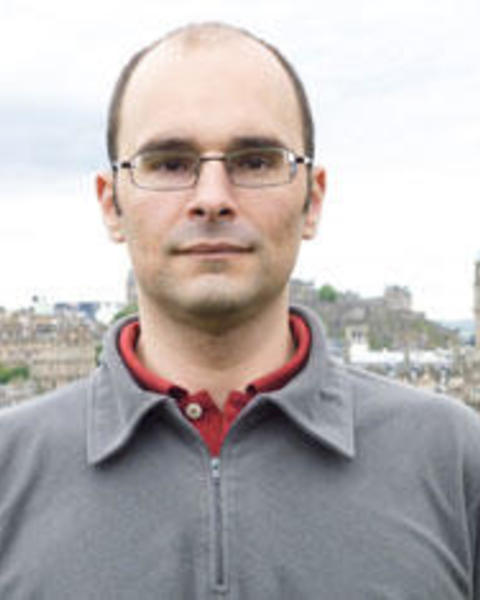
Alvaro Santana-Acuña is a Ph.D. candidate in Sociology at Harvard University. His dissertation investigates the making of the cadastre in France between 1763 and 1833. The cadastre, an administrative tool that registers a country’s real estate property to allocate taxes among owners, is a cornerstone of the liberal property system. Previous research analyzed its making as part of a process of state centralization and disregarded the organizational changes driving the training of cadastral experts. His dissertation tackles these questions and examines other aspects of nation-state formation and scientific expertise that were empowered by the making of the cadastre. The dissertation forms one part of his larger effort to study processes and systems of valuation. In that vein, he researched the contentious question of how a literary work becomes a classic. In 2011, this research received the Edward Shils-James Coleman Memorial Award and the honorable in the Richard Peterson Prize, both awarded by the American Sociological Association. He holds an A.M. in Sociology from Harvard University, an M.A. in Social Sciences from the University of Chicago (under Fulbright sponsorship), and a D.E.A. and B.A. in History from the University of La Laguna (Spain).